


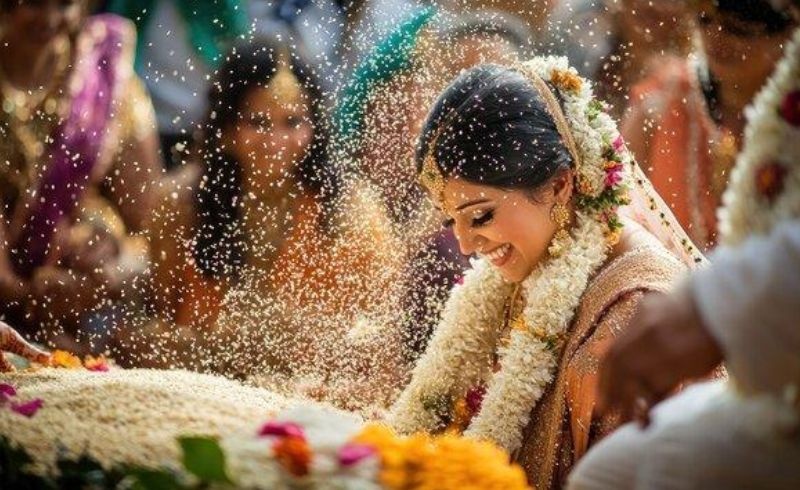
Candid vs Traditional vs Cinematic: Which Wedding Photography Style Suits Your Delhi Wedding?
Your wedding will be over in a blur of rituals, music, hugs, and food. The photographs are what you will be left with when the flowers have wilted, and the lehenga is back in its box. That is why picking a photography style matters just as much as picking a photographer.
If you are planning a wedding in the capital, the choice gets even more interesting. Delhi weddings are big, loud and layered, with a baraat that stops traffic, a sangeet that runs past midnight and a family tree that seems to have no end. Before you start shortlisting a Delhi wedding photographer, it helps to understand the three main styles couples choose from: traditional, candid and cinematic. Each one tells your story differently.
Let us break them down in plain language, so you can pick the one that fits your wedding, your family and your budget.
The Quick Answer
If you do not have time to read the whole guide, here is the short version:
Choose traditional if you want clean, posed portraits of every family member and a classic album.
Choose candid if you want natural emotions, laughter, and tears captured without anyone saying “look here, please.”
Choose cinematic if you want your wedding to feel like a film, with motion, music, and a storyline.
Choose a mix if your family wants formal group photos, but you want real moments too. Most Delhi couples end up here.
What Is Traditional Wedding Photography?
Traditional photography is the style most of our parents and grandparents grew up with. The photographer directs the shot. Everyone lines up, smiles at the camera, and holds still for a second or two.
What you get:
Posed portraits of the couple
Group photos with relatives, friends and colleagues
Clear, well-lit shots of every major ritual
A neat, organised album
Why people love it: You will never miss an important face. When your Bua ji from Jaipur or your college friend from Pune wants a photo with you, it is done in a minute. These images also look great in large frames and print albums.
Where it falls short: Posed photos can feel stiff. If you or your partner are not comfortable in front of the camera, the smiles may look forced, and you may not see the in-between moments that made the day special.
Best for: Large family weddings, formal ceremonies, and couples who want a classic album to pass around.
What Is Candid Wedding Photography?
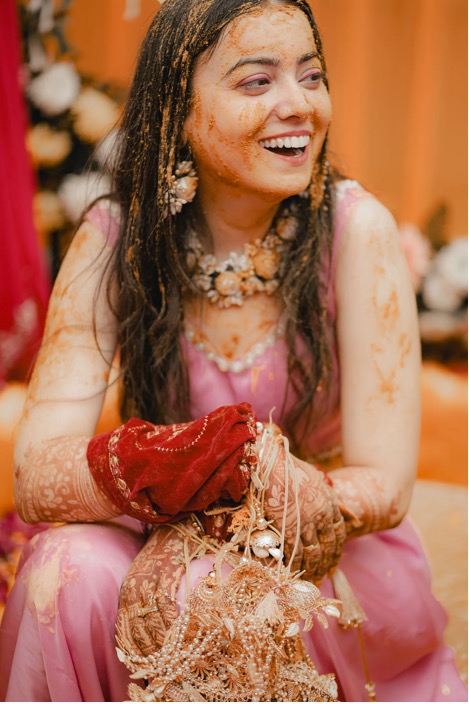
Candid photography is about moments that happen on their own. The photographer stays in the background, uses longer lenses, and quietly captures reactions: your father wiping a tear during the vidaai, the groom’s face when you walk in, kids dancing in the corner of the sangeet.
The idea is simple. You live your wedding, and the photographer documents it without interrupting.
What you get:
Natural expressions and unscripted emotions
Detail shots of jewellery, mehendi, decor, and food
Stories told through a sequence of photos, not just single frames
A relaxed shoot where you actually enjoy your own wedding
Why people love it: Candid photos feel real. Years later, you will remember how the day felt, not just how it looked. If you want to see what this approach looks like in practice, a good candid wedding photography studio will usually have full wedding galleries you can scroll through, not just a handful of best shots.
Where it falls short: Because the photographer is not directing anyone, you may need to ask for family portraits separately. Candid work also depends heavily on the photographer’s instinct and experience, so portfolio checking is important.
Best for: Couples who dislike posing, intimate ceremonies, and anyone who wants emotion over perfection.
What Is Cinematic Wedding Photography?
Cinematic style borrows from filmmaking. Think dramatic lighting, careful framing, slow motion, drone shots, and a storyline with a beginning, middle, and end. The output is often a highlight film of three to five minutes, sometimes with a longer feature edit, along with stylised photos that carry the same mood.
What you get:
A wedding film with music, voiceovers, or vows
Cinematic colour grading and composition
Aerial shots of the venue and baraat
Photos with a moody, editorial feel
Why people love it: You can relive the day with sound and movement. Your laughter, the dhol beats, and your vows stay with you in a way a still photo cannot match. A film is also easy to share with relatives who could not travel.
Where it falls short: It usually needs more crew, more equipment, and more editing time, which means a higher budget. It also asks for a little cooperation from you, such as a few planned scenes or a short couple shoot.
Best for: Couples who love storytelling, destination weddings, and anyone who wants a keepsake they can watch again and again.
Candid vs Traditional vs Cinematic: Side-by-Side
| Feature | Traditional | Candid | Cinematic |
| Style | Posed and structured | Natural and unscripted | Story-driven and stylised |
| Main output | Albums and framed prints | Photo stories and galleries | Highlight film plus photos |
| Comfort level needed | Medium | Low | Medium to high |
| Budget | Lower to mid | Mid | Mid to high |
| Family group photos | Excellent | Needs to be requested | Needs to be planned |
| Emotion captured | Moderate | High | High |
How to Choose the Right Style for Your Wedding
Still unsure? Ask yourself these five questions.
1. How do you feel in front of a camera? If posing makes you nervous, candid will feel like a relief. If you enjoy dressing up and performing a little, cinematic could be fun.
2. How big is your guest list? For 500 guests, you will want a team that can handle group portraits quickly. For 80 guests, candid coverage can catch nearly everyone in a natural way.
3. What will you actually do with the pictures? If you want an album for the living room, traditional and candid work well. If you want something to watch on a big screen with family, go cinematic.
4. What is your venue like? A banquet hall with fixed lighting suits traditional setups. A farmhouse lawn in Chhatarpur or a heritage venue gives candid and cinematic photographers lots of natural material to work with.
5. How much do you want to be involved? Candid is the least demanding. Cinematic needs a bit of planning. Traditional needs a family member who can gather people for group shots.
Delhi-Specific Things to Keep in Mind
A wedding in Delhi has its own rhythm, and a good photographer plans around it.
The season matters. Winter weddings from November to February are popular, but fog and early sunsets affect outdoor shoots. Ask how your photographer handles low light.
Events run long. Between the mehendi, sangeet, baraat and pheras, you could be shooting for 12 hours or more across several days. Check how many photographers and videographers are included.
Venues vary a lot. Farmhouses, five-star hotels, banquet halls and heritage properties all need different lighting and framing.
Pre-wedding shoots are common. Monuments like Humayun’s Tomb and Lodhi Garden are favourites, but some require permissions, so confirm who arranges them.
Traffic is real. A photographer who knows the city will plan travel time between events and not miss the baraat entry.
Why Many Couples Choose a Blend
Here is something photographers will tell you privately: very few couples pick just one style. A hybrid approach is often the smartest.
You might book candid coverage for most of the wedding, a short traditional session for family portraits, and a cinematic highlight film for the memories. You get the formal photos your parents want, the emotion you want, and a film to share. When you speak to photographers, ask if they can combine styles in a single package.
Questions to Ask Before You Book
Can I see a complete wedding gallery, not just a highlight reel?
How many photographers and videographers will be on the day?
How long will it take to receive edited photos and the film?
Do you shoot in low light and at night events like sangeets?
What is included in the package, and what costs extra?
What happens if you fall sick or have an emergency on the day?
Book early too. Peak wedding dates in Delhi fill up months in advance, so once your date is fixed, add the photographer to your to-do list. If you are still building that list, this wedding checklist for Indian brides is a handy place to start.
Planning something beyond the capital? Photography needs change for beaches, palaces and hill stations, with more travel, more daylight planning and often a smaller crew. Browse these destination wedding places in India before you finalise locations, and tell your photographer early so they can scout and plan.
Common Mistakes to Avoid
Choosing only on price. The cheapest package may cost you moments you cannot recreate.
Not checking the full portfolio. A few stunning images prove little. Look at entire weddings.
Skipping the family shot list. Write down the must-have group photos in advance.
Ignoring chemistry. You will spend the whole day with this person. Pick someone you feel comfortable with.
Booking last minute. Good photographers get booked fast during wedding season.
Frequently Asked Questions
Which wedding photography style is best for Indian weddings?
There is no single best style. Indian weddings have many rituals and large families, so a mix of candid coverage and traditional group portraits usually works best.
Is candid photography better than traditional?
Not better, just different. Candid captures natural emotion, while traditional gives you organised portraits. Many couples want both.
What is the difference between candid and cinematic photography?
Candid photography captures real moments as they happen. Cinematic photography treats the wedding like a film, with planned shots, dramatic styling and a storyline, often with video.
How early should I book a wedding photographer in Delhi?
Ideally 6 to 9 months before the wedding, especially if your date falls in peak season between November and February.
Can I combine all three styles?
Yes. Many studios offer hybrid packages with candid, traditional and cinematic coverage. Just confirm the team size and deliverables upfront.
Final Thoughts
There is no right or wrong answer here, only the one that matches your personality and your wedding. If you love real emotion, go candid. If your family wants classic portraits, go traditional. If you dream of a wedding film, go cinematic. And if you cannot decide, blend them.
Whatever you choose, look at full galleries, meet the team, and trust your gut. Years from now, you will not remember the cost of the package, but you will remember how it felt to look at those pictures.


- Previous Article
- ‒ Back to Overview ‒
- Next Article
Search Blog
Popular POSTS
70+ Absolute Best Bollywood Sangeet Songs to Dance on Like No One is Watching!
Team Weddingz
Sept. 23, 2022
25 Best Bridal Lehenga & Bridal Wear Shops in Mumbai
Team Weddingz
Nov. 10, 2022
Latest Bridal Lehenga Trends for 2016
Team Weddingz
Jan. 11, 2016
13 Top Makeup Brands for Brides Used By Professional Makeup Artists (Psst! – Our Favourite Picks Included)
Team Weddingz
Feb. 8, 2016
7 Best Candid Wedding Photographers in Delhi You Need to Check Out Now!
Team Weddingz
June 22, 2016
Showing Top Categories

Looking For wedding venues?


 Set your account password
Enter your account password to proceed
Login with your facebook account to proceed